Nestled in northern Tanzania, between the Serengeti Plains and the Great Rift Valley, the Ngorongoro Conservation Area (NCA) is a place where nature, culture, and history converge in breathtaking harmony. Spanning over 8,288 square kilometers, this UNESCO World Heritage Site is not just a wildlife haven—it’s a living museum of Earth’s past and present.
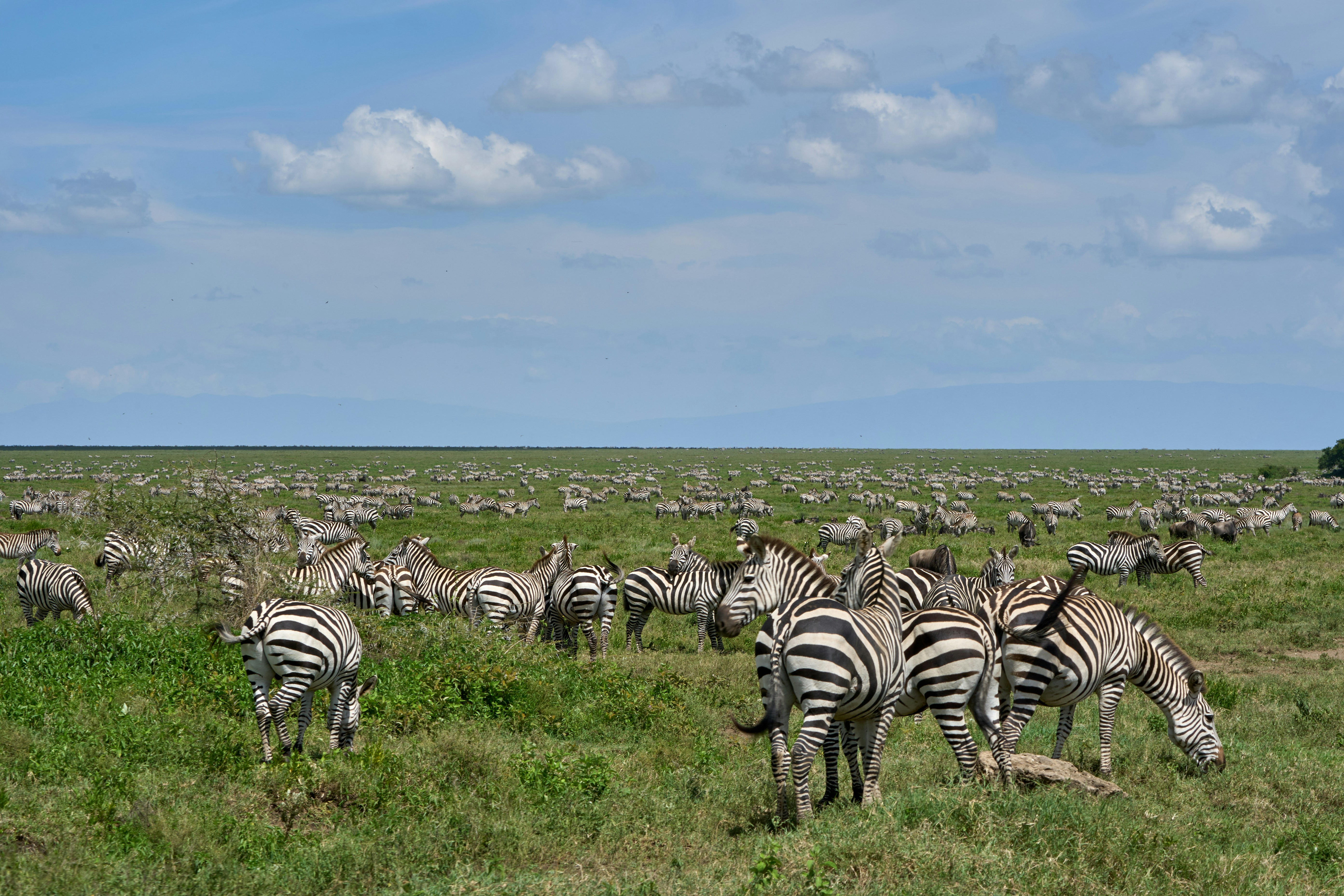
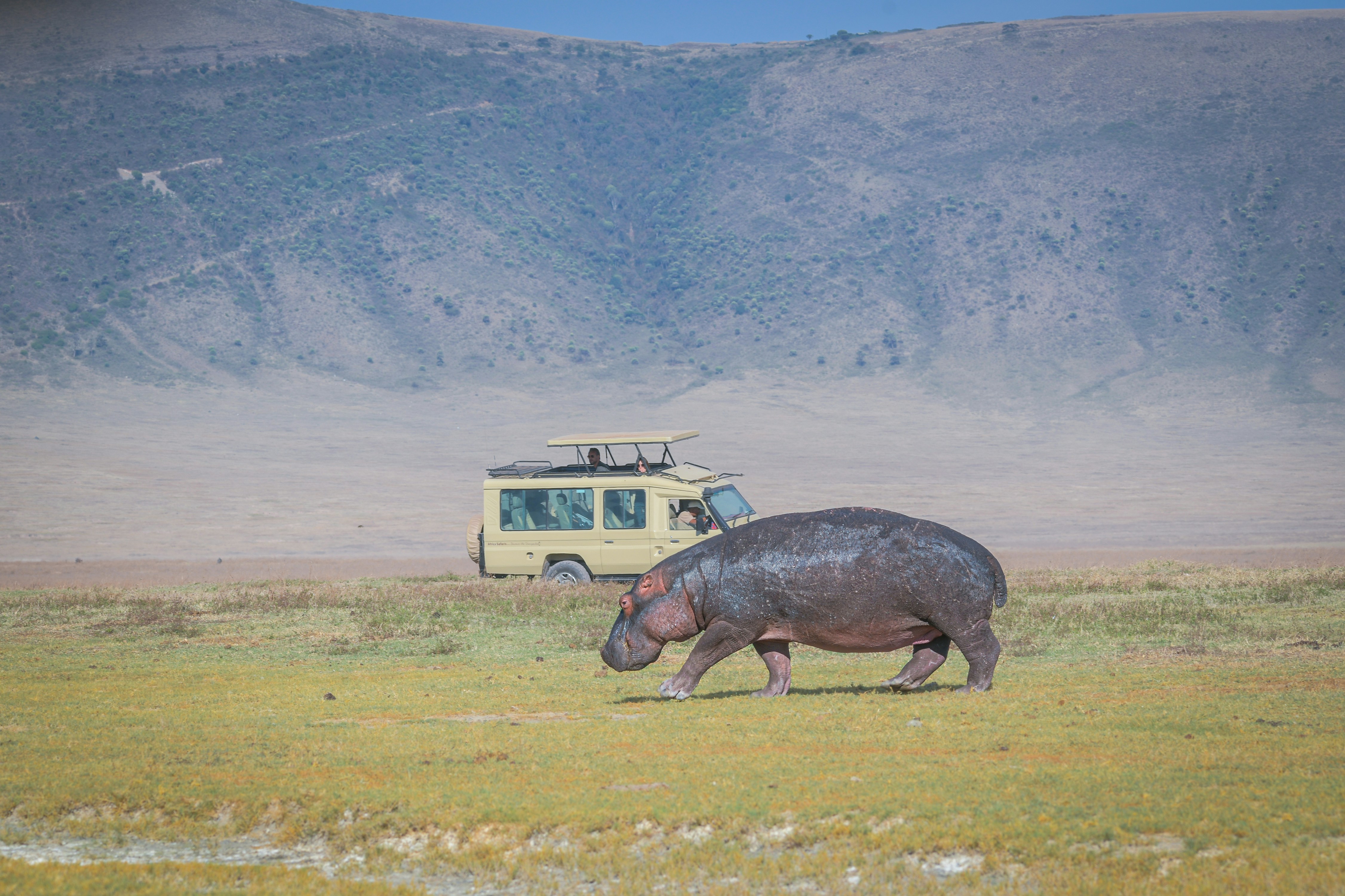
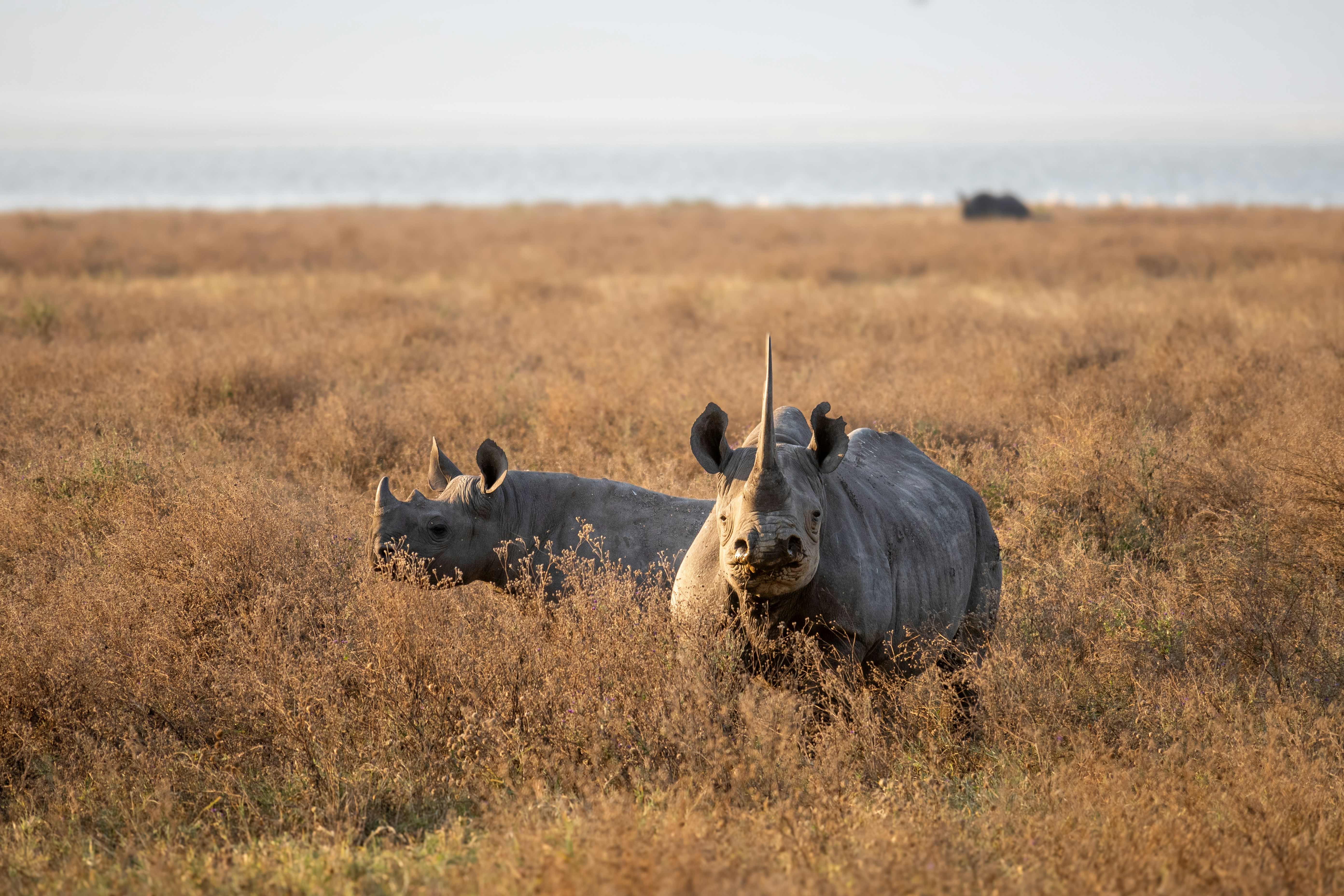
At the heart of the NCA lies the Ngorongoro Crater, the world’s largest intact volcanic caldera. Formed millions of years ago when a massive volcano collapsed, the crater now cradles a lush ecosystem teeming with life. Over 25,000 large animals roam its floor, including lions, elephants, buffaloes, and the elusive black rhino. Flamingos line the shores of Lake Magadi, hippos wallow in freshwater pools, and cheetahs scan the plains for prey. Game drives into the crater offer near-guaranteed sightings of the Big Five, making it one of Africa’s most rewarding safari experiences.
But Ngorongoro is more than wildlife. It’s a cradle of humanity. The Olduvai Gorge, located within the conservation area, is one of the most important paleoanthropological sites in the world. Here, some of the earliest evidence of human ancestors was discovered, earning it the nickname “Cradle of Humankind.” Visitors can explore the museum and learn about the groundbreaking discoveries that reshaped our understanding of human evolution.
The NCA is also a cultural sanctuary. Unlike traditional national parks, it allows the semi-nomadic Maasai people to live and herd their cattle within its boundaries. This unique conservation model fosters coexistence between humans and wildlife. Travelers can visit Maasai villages, witness traditional dances, and gain insight into a way of life that has endured for centuries.
Adventure seekers will find plenty to explore beyond the crater. Walking safaris take you through highland forests, extinct volcanoes, and dramatic landscapes like Empakaai and Olmoti craters. The Ndutu Plains, especially during the calving season, offer spectacular wildlife viewing as thousands of wildebeest give birth, attracting predators and photographers alike.
At night, under a canopy of stars, Amina sat by the campfire, listening to Maasai legends and the distant roar of lions. Her camera was full, but her heart fuller. The Serengeti had given her more than photographs—it had given her perspective, peace, and a profound connection to the wild.
Whether you're drawn by its geological wonders, cultural richness, or wildlife spectacles, the Ngorongoro Conservation Area offers a journey through time and nature. It’s a place where every sunrise feels ancient, every encounter feels sacred, and every moment is a step deeper into the story of our planet.
← Back to Destinations